Posted on 5/1/2026
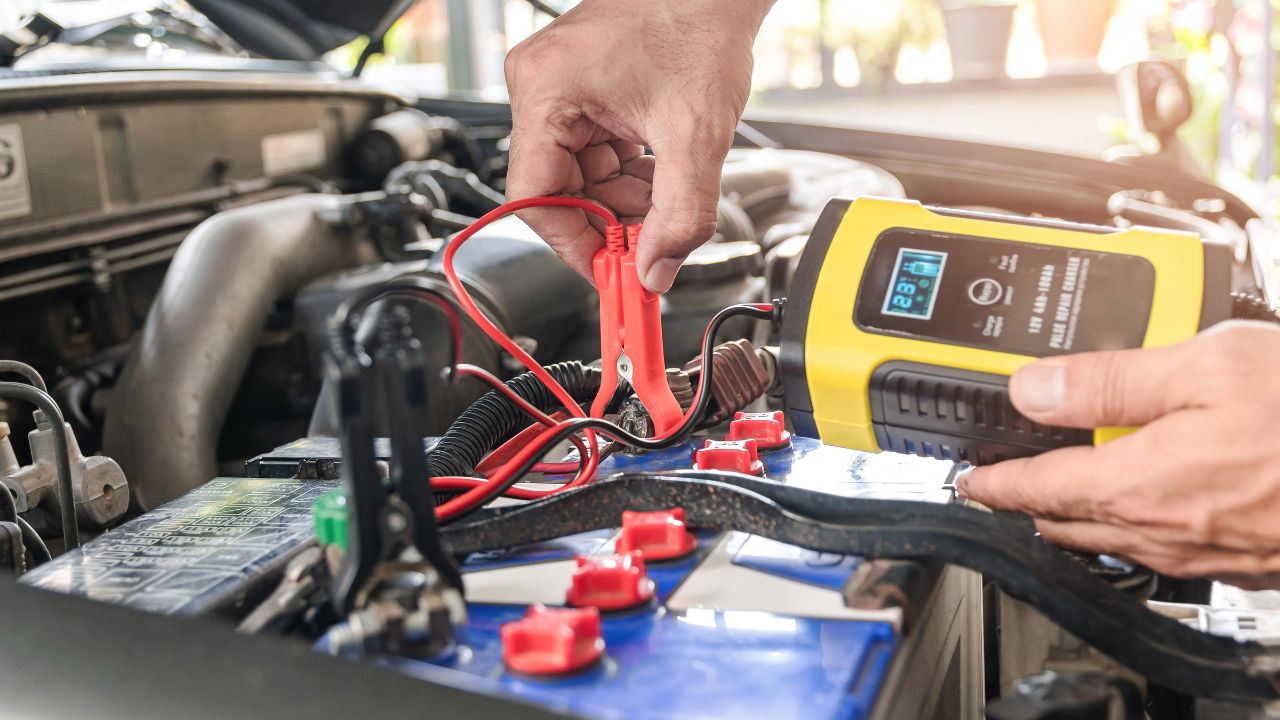
As spring fades into summer here in San Diego, something shifts. The days get longer. The weather warms up. Weekend plans turn into road trips, beach days, and family adventures. Whether you're heading out to the coast, the mountains, or just across town, one thing matters more than ever, Can you trust your vehicle to get you there and back without worry? At Convoy Auto Repair, we’ve been helping families answer that question with confidence since 1976. And if there’s one thing we’ve learned after serving generations of San Diego drivers, it’s this: The best road trips don’t start with a full tank of gas; they start with a well-maintained vehicle. Why Spring Is the Perfect Time for Preventive Maintenance Winter may not be harsh in San Diego, but your vehicle still experiences wear and tear year-round. By the time spring arrives, small issues can quietly build up beneath the surface. And here’s the truth we share with our custom ... read more
Posted on 4/1/2026
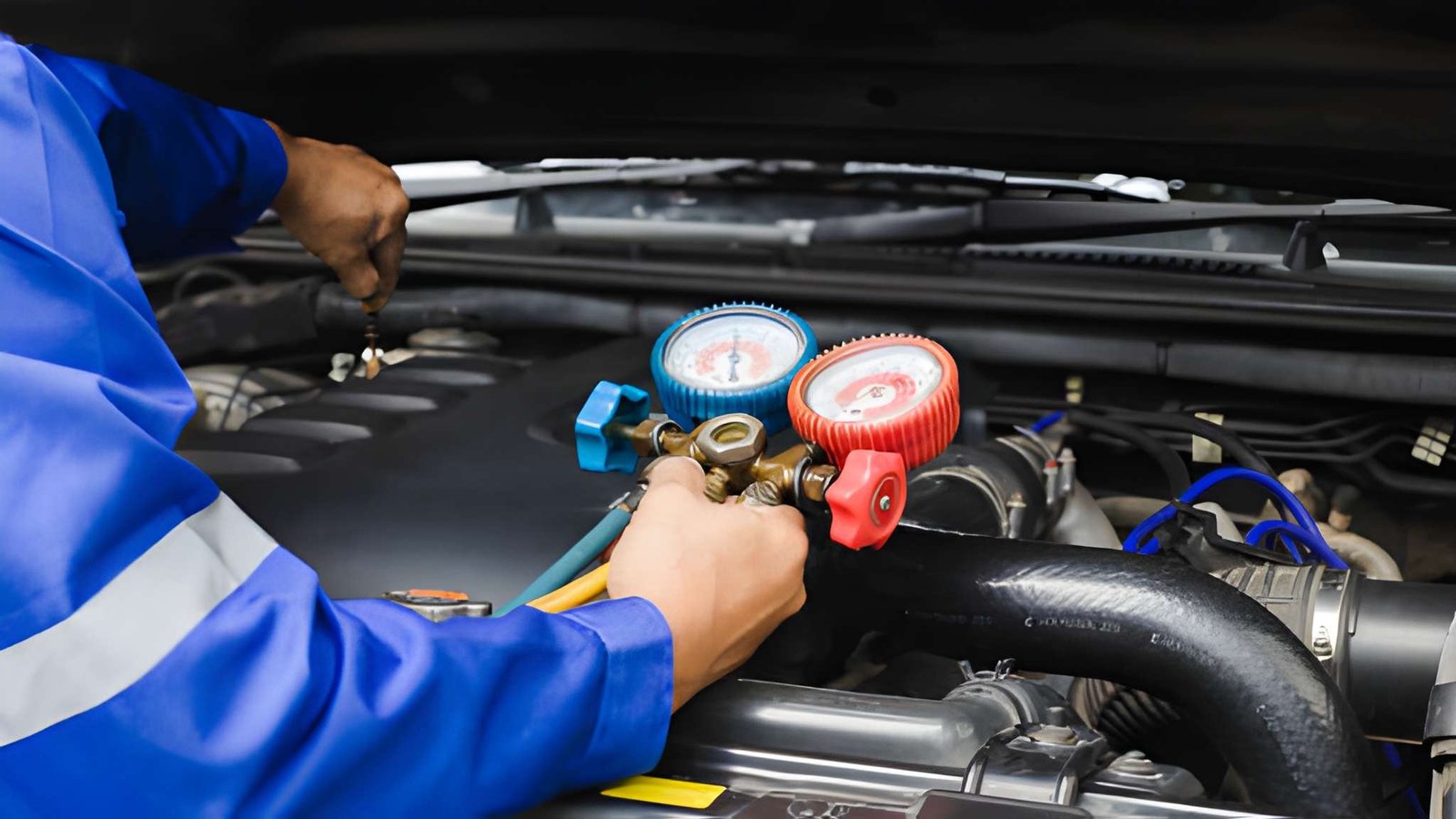
As the scorching heat of summer starts to settle in, your car’s air conditioning (AC) and cooling system play an essential role in keeping you comfortable on the road. However, if your AC isn't in top condition, you might find yourself stuck in a sweltering car with no relief in sight. Thankfully, with a little preparation and some proactive maintenance, you can ensure your vehicle's cooling system works efficiently throughout the hottest months. In this guide, we’ll walk you through how to prepare your car’s AC and cooling system for the summer heat, and help you avoid uncomfortable surprises. Why Should You Prepare Your AC and Cooling System for Summer? Before we dive into the specifics of how to prepare your car’s AC, let’s discuss why this maintenance is so important. In the summer months, you rely heavily on your car’s air conditioning to keep you cool and comfortable, especially during long drives or stop-and-go traffic. A malfunctio ... read more
Posted on 3/2/2026
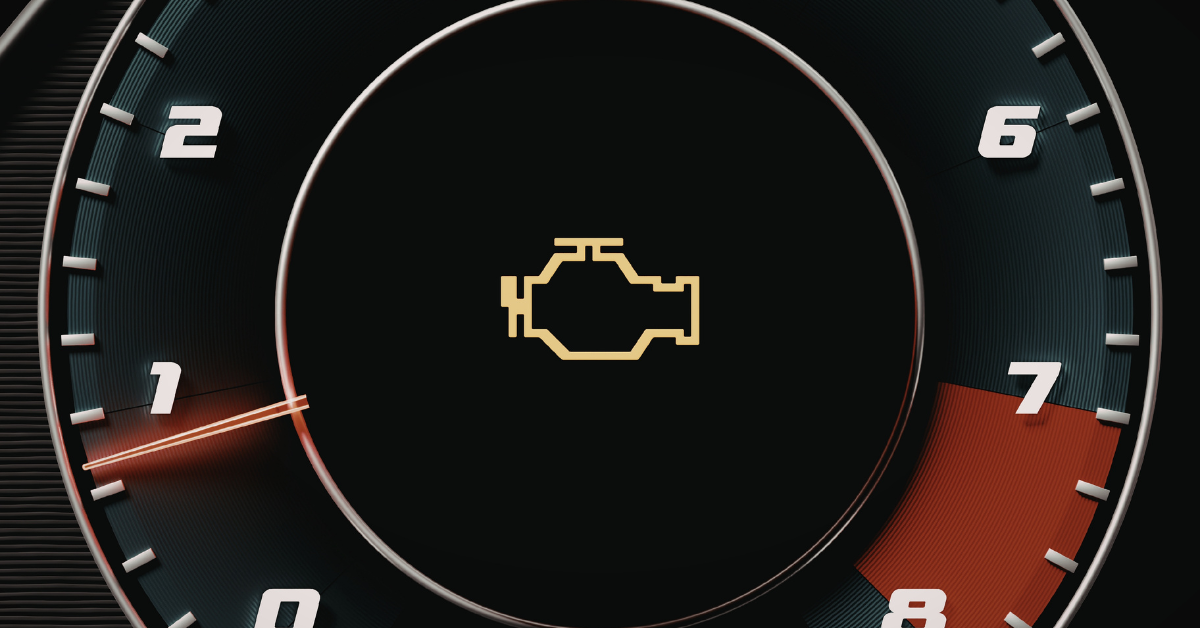
You’re driving around San Diego, maybe climbing a hill, stuck in stop-and-go traffic, or heading out for a weekend trip, and then it happens: the check engine light pops on. Your mind instantly goes to worst-case scenarios. Take a breath. A check engine light does not automatically mean your car is about to break down. It does mean your vehicle’s computer noticed something outside the normal range and wants attention. The good news is that a clear, calm plan can keep this from turning into a bigger problem. Below is a simple guide to what the light usually means and what you should do next. What the check engine light is really telling you Your car has a computer that watches sensors and systems while you drive. When something looks “off,” it stores a fault code and turns on the check engine light. That “off” can be minor, like a loose gas cap, or more important, like an engine misfire. The light itself does not tell you exactly what part is bad ... read more
Posted on 2/3/2026
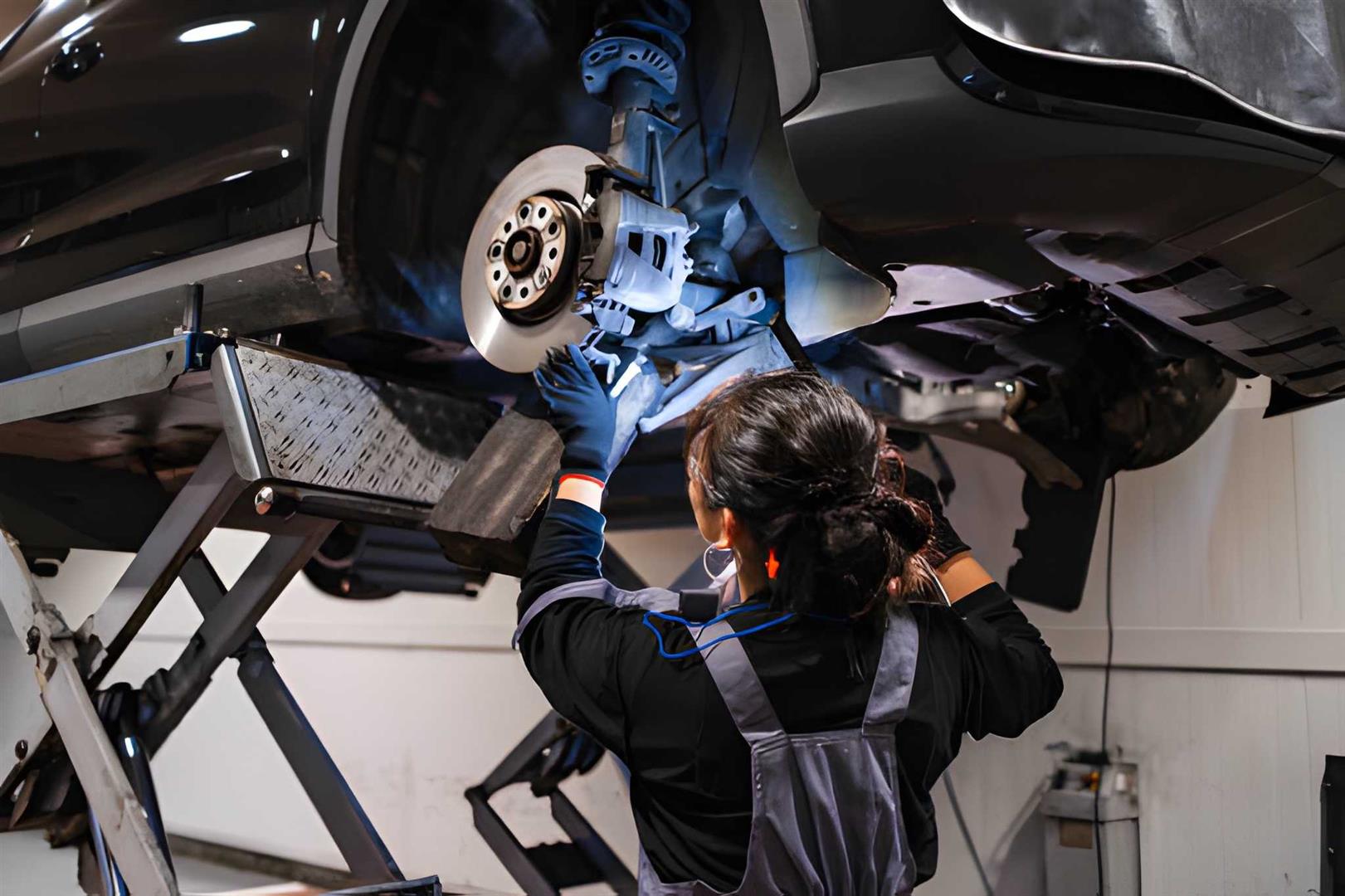
Life moves fast in San Diego. Between school drop-offs, weekend getaways to the coast, and busy commutes, you depend on your car every single day. But what happens when your brakes start showing signs of trouble? This is the story of the Rivera family — and how timely brake repair in San Diego changed the way they drive, improved their safety, and gave them peace of mind. Their experience highlights why paying attention to warning signs and getting early service can be one of the smartest decisions any driver makes. When the Signs Started Showing Up One afternoon, while heading to Torrey Pines for a family dinner, Mr. Rivera noticed something unusual. Every time he slowed down at a stop sign, the car made a faint squealing sound. At first, he ignored it, thinking it was just his imagination. But then came the vibration. As he braked harder to stop, the steering wheel began to shake. And when his daughter, Maya, asked why the car felt “bumpy,” that&r ... read more
Posted on 1/1/2026
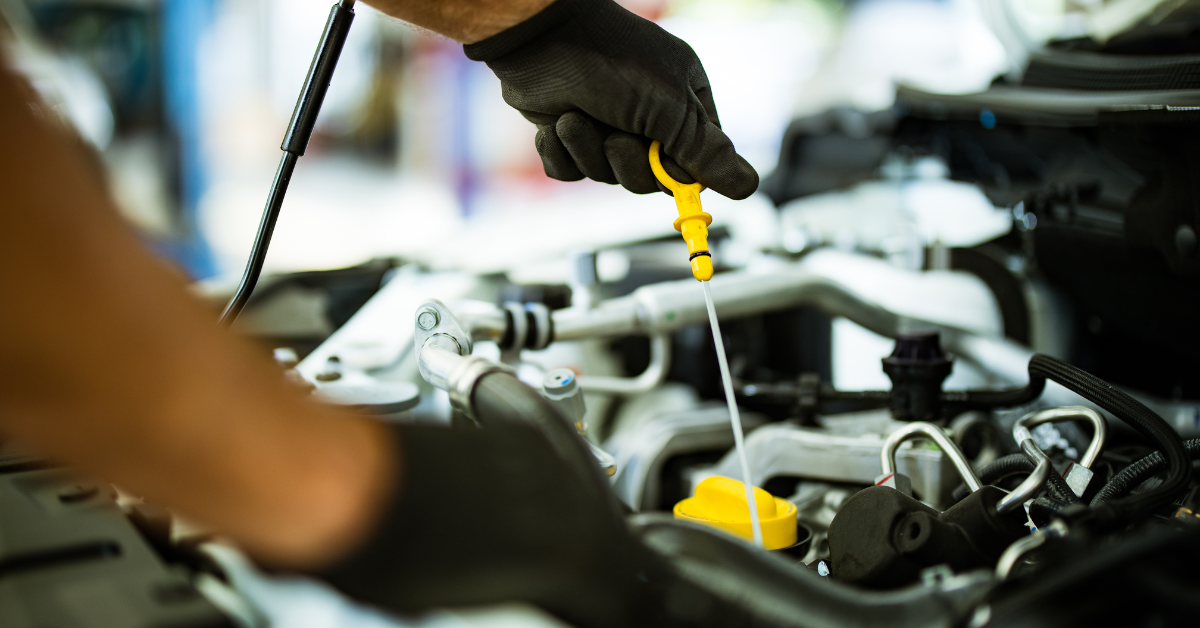
If you want your vehicle to run smoothly, last longer, and avoid expensive repairs, two services matter more than anything else: your oil change and your multi-point inspection. But the question most drivers ask is the same: how often should you get an oil change, and how often do you really need a multi-point inspection? Whether you drive daily, commute long distances, or only use your car occasionally, the right maintenance schedule can save you money and protect your engine. This guide breaks down everything you need to know using real manufacturer recommendations and insights from trusted sources like Mr. Tire, Bastian Tire & Auto Centers, Erie Insurance, Toyota of Cedar Park, Jay Wolfe Toyota, and Car Care Central. You’ll also notice parts of this blog follow the clean, educational writing style used by Convoy Auto Repair, a shop known for making car care easy for everyday drivers. Why Oil Changes Matter More Than You Think Motor oil is the lifeblood of your engine ... read more
Posted on 12/1/2025

When people think of rust damage, they usually imagine snow-packed roads, road salt, and icy winters. But here's the reality: California cars aren’t immune to rust—especially in coastal cities like San Diego, where salt air and moisture can quietly wear down your vehicle over time. At Convoy Auto Repair, we’ve seen more than a few San Diego vehicles with early signs of rust in places most owners never think to check. The good news? Rust is preventable with the right maintenance and a little attention to detail. Here’s what every California driver needs to know about protecting their vehicle from rust before it becomes a costly problem. What Causes Rust in California? Rust occurs when iron, oxygen, and moisture interact. Even though we don’t deal with snow or road salt, California drivers still face a unique set of rust risks: Salt Air: Living near the coast means constant exposure to salt in the air, which can cling to your vehicle’s undersi ... read more
Posted on 10/1/2025
As summer ends and the crisp air of fall begins to settle in, October is the perfect time to get your vehicle ready for the coming season. The transition from hot, dry roads to cooler weather, possible rain, fog, or even early frost in some regions means your car faces new challenges. Ensuring your car is primed now can save you stress, breakdowns, and unexpected repair costs later. In this post, we’ll go through the essential maintenance steps you should take this fall, how to prepare for seasonal driving, and the benefits of staying proactive so when the rainy or chilly days arrive, your car keeps up without problems. 1. Check Your Tires: Traction & Pressure Tire tread: As roads get wet and visibility drops, good traction is critical. Check your tire tread depth; if it’s getting low, it’s safer to replace. Tire pressure: Cooler air can reduce tire pressure. Underinflated tires reduce fuel efficiency and increase wear. Adjust to the recommended PSI for your v ... read more
Posted on 9/1/2025
As summer fades and cooler weather rolls in, fall brings a fresh set of challenges for your vehicle. From the cooler temperatures to unpredictable rain showers, it's time to prepare your car for the changing season. Fall is the perfect time to get your car in top shape to ensure a safe and smooth ride. At Convoy Auto Repair, we want to help you prepare your vehicle for the season ahead with some key maintenance checks that will improve your safety, reliability, and overall driving experience. 1. Get Your Tires Ready for Fall As temperatures drop, your tire pressure naturally decreases, which can negatively affect your vehicle’s performance and safety. Underinflated tires lead to poor fuel economy, reduced traction, and uneven wear, while overinflated tires can cause a rough ride and increased tire wear. Tip: Make it a habit to check your tire pressure regularly and ensure that it’s inflated to the manufacturer’s recommended PSI. Additionally, inspect the tread ... read more
Posted on 7/1/2025
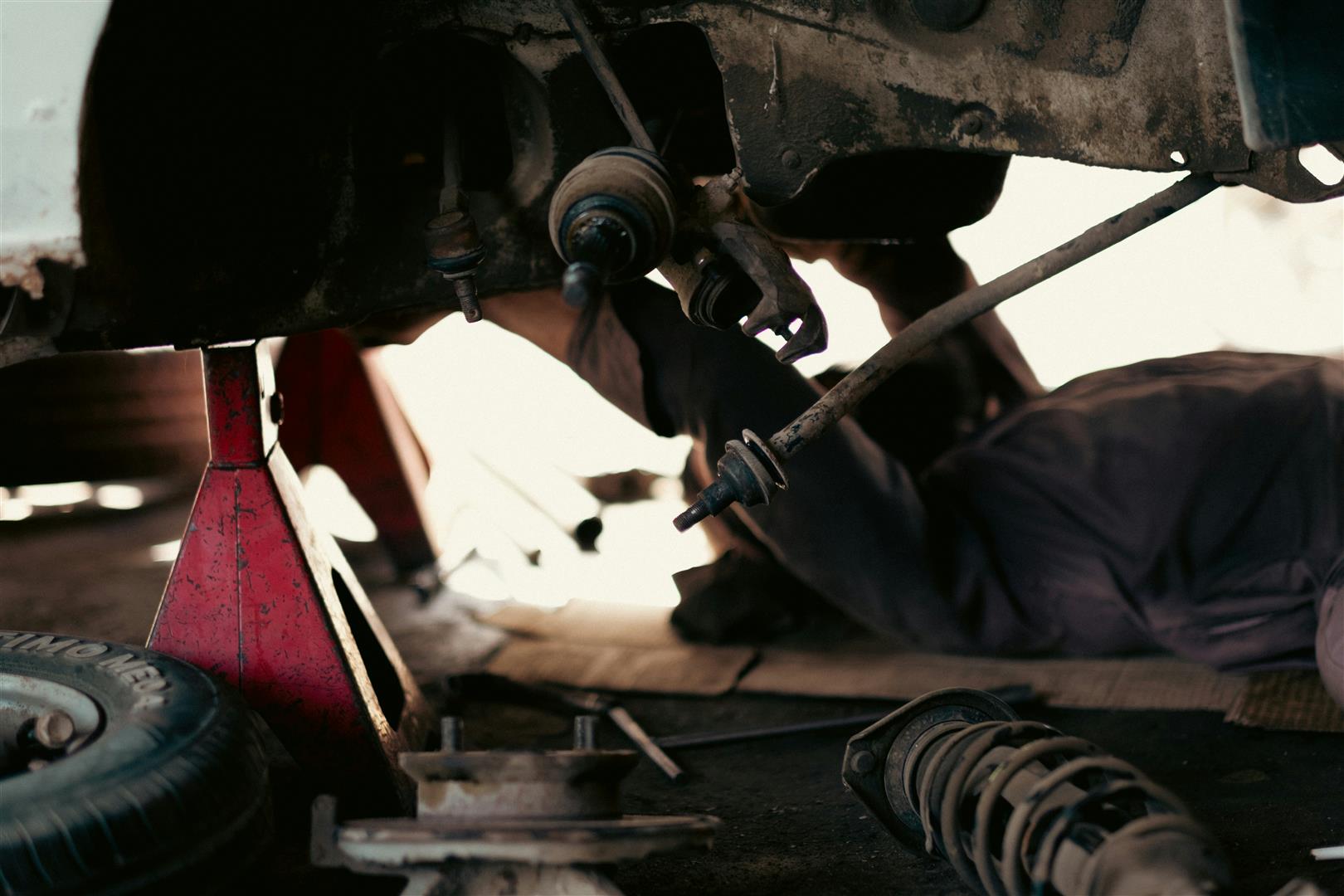
When it comes to your vehicle’s drivetrain, there’s no shortage of confusion. From misunderstood warning signs to myths about maintenance, it’s easy for even seasoned drivers to get the facts wrong. Here at Convoy Auto Repair in San Diego, we believe that knowledge is power, especially when it comes to keeping your car running smoothly. In this blog, we’ll bust some of the most common drivetrain myths that could be costing you money—or worse, your safety. Understanding the truth about your drivetrain helps you make informed maintenance decisions and extends the life of your vehicle. Let’s clear up the confusion! We’ll cover the basics of drivetrain systems, debunk widespread myths, and explain when to visit your trusted team at Convoy Auto Repair for service. What Is the Drivetrain and Why It Matters The drivetrain is your car’s power delivery system. It includes components like the transmission, driveshaft, axles, and differentia ... read more
Posted on 6/1/2025

Your vehicle’s cooling system plays a crucial role in maintaining engine temperature and preventing overheating. Whether you’re navigating San Diego’s stop-and-go traffic or taking a long road trip along the coast, the right cooling system ensures your engine runs efficiently and safely. But not all cooling systems are the same. Understanding how they work and which type best suits your driving needs can help you make informed maintenance decisions. At Convoy Auto Repair, we believe that knowing the basics of your car’s cooling system can help you extend the life of your engine and avoid costly repairs. This guide will compare the different types of cooling systems and help you determine which one is best for your vehicle. Liquid-Cooled vs. Air-Cooled Systems Most modern vehicles use liquid-cooled systems, but some older and high-performance vehicles rely on air-cooled systems. Here’s how they compare. Liquid-Cooled Systems: These systems circulate coo ... read more